
TMR reporting and the shift log
The paperwork of a BEA never stops. Make it a by-product of the day, not a job for the weekend.
Getting licensedI’m Bruce Muir. I run an IT business on Bribie Island. In late July 2026 we bought a second-hand Kia EV9, and in August it was licensed for booked hire. On 23 August I started building our booking system, directing AI coding assistants. The next day I drove my first Uber trip in it. The car charges mostly at home: off the roof during the day, and at 8c a kilowatt-hour overnight. The rest of August and September was concept and build. On 30 September 2026 the company got its own booking entity authorisation, BEA 289710, and the system began running under it. Riders can now book us direct, under our own name.
We’ve walked this path ourselves, mistakes included, and our first quarterly report to TMR is next. Now we help other operators walk it, under their own brand and their own authorisation.
Real dates from our own records. Your path may take longer or shorter. Nobody can promise TMR’s timing, and that includes us.
Regulars who would rather ring you than open an app. To take a booking yourself, you need your own booking entity authorisation. We’ve just been through that ourselves.
Written quotes, booking records, receipts, fatigue records, quarterly reports to TMR. We built a system that makes them part of the day instead of a job for Sunday night.
Who travelled, when, what help they needed, what they were quoted. Our system was designed for older riders first, and keeps a record nobody can quietly change.
Booked-hire law is state law, and each state has its own. We know Queensland’s, because we live under it. Tell us your state and we’ll say whether we can help.
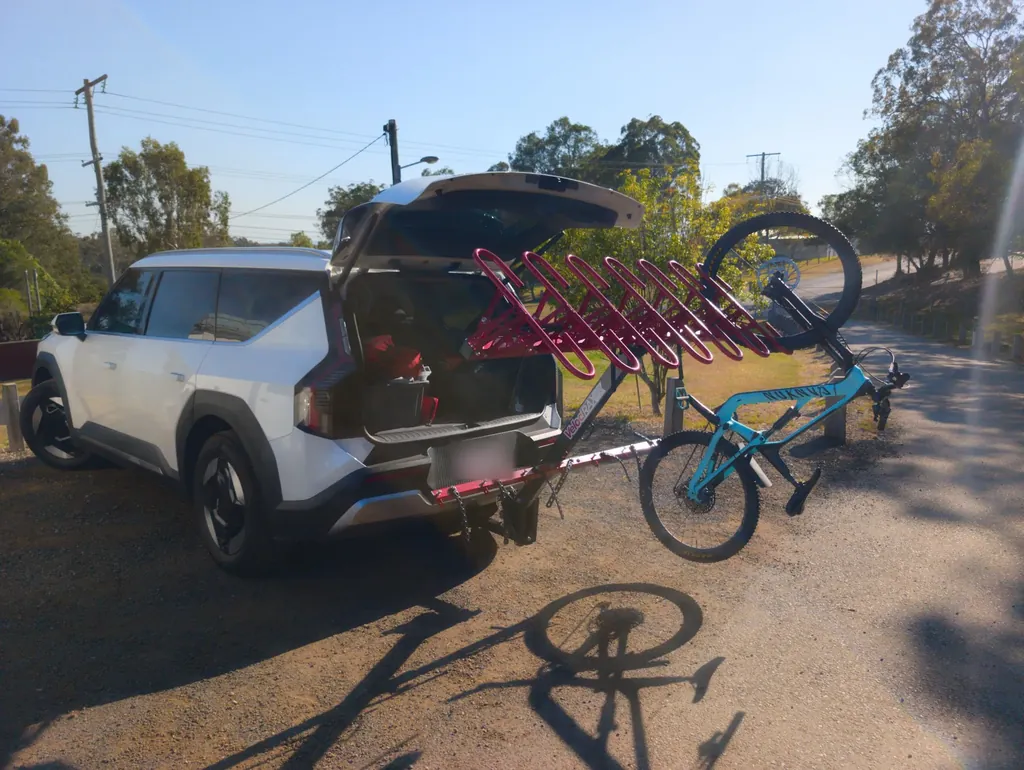
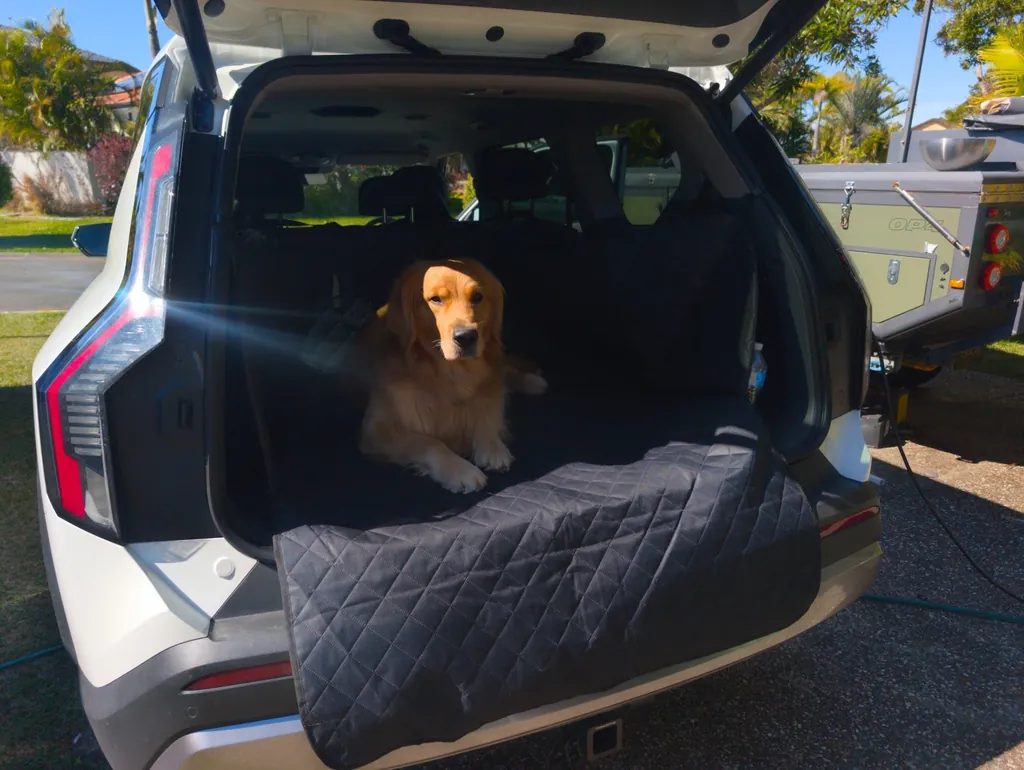
The EV9 charges on a portable 15 amp charger that Home Assistant dials up and down every 15 seconds to soak up whatever the panels aren’t using. About a fifth of all the energy the car took came straight off the roof, and most of its home charging went in during the 8c overnight window. Across 40 days, at home electricity rates, that came to about $1.80 per 100 km. It also charged straight into peak on day one, which is its own story.
| Source | kWh |
|---|---|
| Solar off the roof | 117.0 |
| Grid at 8c overnight (midnight to 6 am) | 366.0 |
| Grid at other times | 21.9 |
| off-peak (25.6c) | 8.0 |
| shoulder (30c) | 7.8 |
| peak (39.9c) | 6.1 |
| Home charging accounted for | 504.9 |
| Public charging (three charges, approximate) | about 75 |
| All the car’s energy | about 580 |
I started the booking system at 9:10 am on 23 August 2026. By that afternoon it was up on our own server, sending texts and refusing to let anyone edit a booking’s history. About 150 changes went in over seven weeks, and from 26 August every one ran the full automated tests before it was released. All of it was concept and build until 30 September.
I drove my first Uber trip in the EV9 on 24 August 2026, the day after I started building our system. From then on, the Uber that turned up on the island was often me. Driving it confirmed what our market scan had already found: prices that can surge, and no promise of a ride home from the hospital.
We lodged our booking entity authorisation application on 24 September 2026. BEA 289710 took effect on 30 September with no conditions, and our vehicle sign was approved the same day. That ended concept and build. From 30 September the system has run under our own BEA. I didn’t drive a single trip under it until the shift log, the fatigue record it requires, was built.
Every booking now gets a written quote before it’s confirmed, and every finished trip gets a receipt that’s also a tax invoice. The shift log keeps the fatigue record the law asks for. Our first quarterly report to TMR is due on 28 October 2026, and the system builds it from the record.
The kit is three things. You can have one, two or all three.
From the vehicle and its licence, the driver authorisation and starting on Uber or DiDi, through insurance, signage and the safety management plan you develop from your own risks, to your BEA application and the first quarterly report. We walk it with you, from what we did ourselves. You write your own plan and lodge your own applications, and we never promise TMR’s answer.
The booking system we run DyComDrive on: online and phone bookings, written quotes, receipts that are tax invoices, texts, a driver app, a shift log, TMR’s records and reports. Your brand, your fares, your BEA, your own copy of the system and the database. We run it for ourselves today. Running it for other operators is planned, not built, and there’s no date on it yet.
Both together: the path to your own BEA, and your own system ready for the day it takes effect.
Your bookings stay yours. We sell software and guidance, never transport. We never take, answer or confirm your bookings, and our name never appears on your quotes, receipts or reports. The system already refuses to take a booking unless a BEA is in force; in your copy, that BEA is yours. So are the records: your riders’ information and your bookings belong to you, not to us.
A booked hire service licence for the car. We had ours on 7 Aug 2026.
Stage 1 in the guidanceA driver authorisation, plus the training. Mine came through on 21 Aug 2026.
Stage 2 in the guidanceThe app company is the booking entity, so you need no BEA yet. My first Uber trip was on 24 Aug 2026.
Stage 3 in the guidanceYour own BEA, your own approved sign, and a safety management plan you develop from your own risks. Ours took effect on 30 Sep 2026.
Stage 4 in the guidanceWritten quotes, booking records, receipts, fatigue records, reports to TMR. Built into our system.
Stage 5 in the guidanceRenewals, changes TMR must hear about, plan reviews. Our system has a register for every authority, with a renewal reminder before each expiry date entered.
Stage 6 in the guidanceWe help you work out the path and walk it, from the first licence to your own BEA.
Ask about this: Pathway guidanceThe booking system we run on, set up as your own.
Ask about this: Your system, your nameBoth: the path to your BEA and your system ready on the day.
Ask about this: Done with youNo prices on the website, because no two operators start in the same place. Tell us where you’re up to and we’ll tell you what it would take. The first conversation is free.
Numbers from our own records and TMR’s certificates. We publish no income, trip or rider figures, ours or anyone’s.
The paperwork of a BEA never stops. Make it a by-product of the day, not a job for the weekend.
Getting licensedBuild the legal rule into the button, and generate every compliance document from the record, never by retyping it.
The systemEach licence answers a different question: the car, the driver, and who takes the booking. Get them in that order, and diary every expiry.
Getting licensedTest the stop, not just the start. Then add a hard stop anyway.
The carDriving for an app tells you whether there's work. The moment you take a booking yourself, you need your own BEA.
Getting licensedAI writes code fast. Review and tests are what make it trustworthy.
The systemNeed a ride on Bribie Island? This site is for operators. You want dycomdrive.com.au: book online, or ring us on 07 3059 8632.
Tell me where you’re up to. I’ll tell you honestly what I think the next step is, including when the answer is “not yet”. The first conversation is free.